
Vestibular (movement and balance)
Swings, spinners, rocking boats and slides. Provides strong alerting input — needs generous use zones and controlled speed.
Vestibular · Proprioceptive · Tactile · Visual · Auditory
Sensory equipment is easier to specify when you start from the sensory system it stimulates, not from a product name. This catalogue groups indoor sensory playground equipment into five systems, with what each piece does, typical specifications, use-zone needs and the safety points a buyer should confirm before ordering.
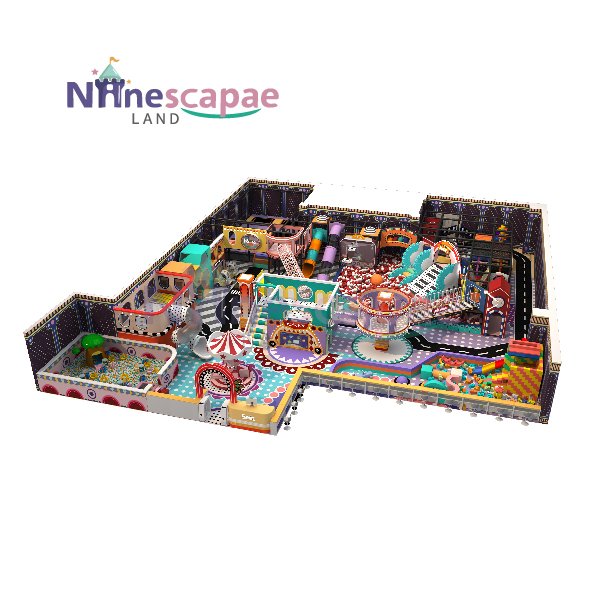
Design Framework
A balanced sensory zone includes calming and alerting input from every system, so children can self-select what they need.
Swings, spinners, rocking boats and slides. Provides strong alerting input — needs generous use zones and controlled speed.
Climbing nets, crash pads, resistance tunnels, push-pull panels and jumping. Usually calming and organising.
Texture walls, ball pits, sand-free sensory tables and soft-fibre panels. Offer a range from smooth to rough.
Bubble tubes, light-up floor tiles, mirror panels and dimmable lighting. Include low-stimulation corners as well as bright zones.
Musical panels, chimes and drums placed away from quiet areas; acoustic panels to control overall noise.
Equipment Mix
Typical indoor items and the specification points to request in a quotation.
Ask for rated load, chain or rope type, swing arc and the required clear zone in front and behind.
Confirm maximum rotation speed, entrapment gaps and seat height for the target age group.
Specify foam density, cover material, net mesh size and anchoring method.
Request material safety data, cleanability and replacement panel availability.
Check low-voltage power, sealed housings, heat output and controllable brightness.
Ask for volume range, mounting height and outdoor/indoor rating.
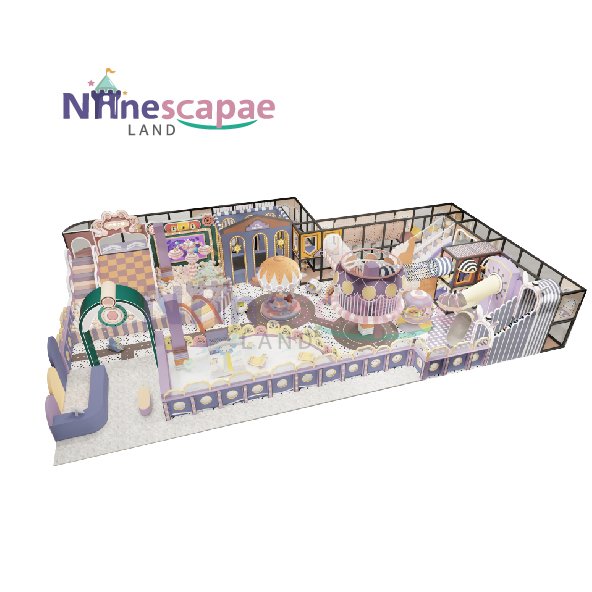
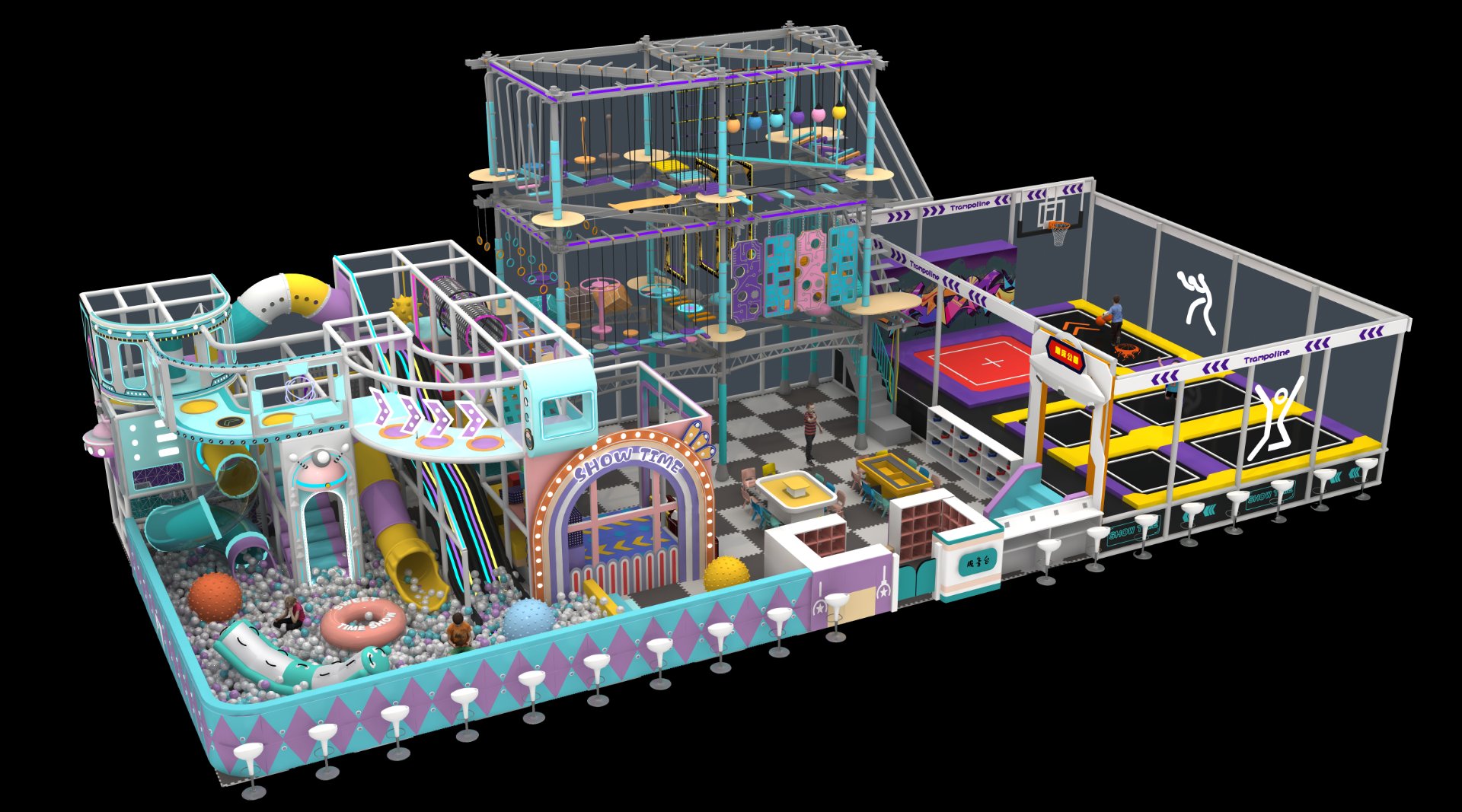
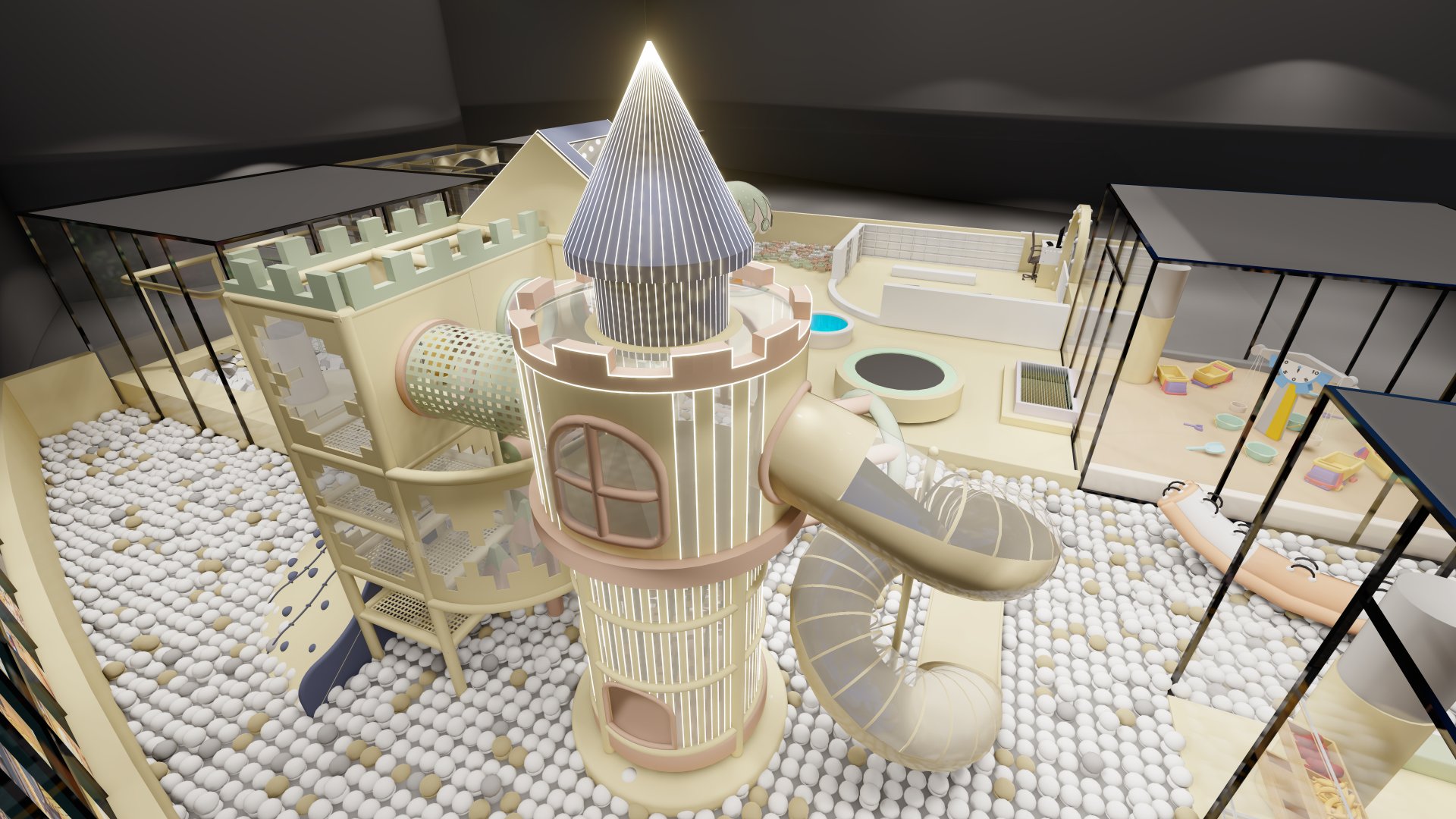
Use this table to balance alerting and calming input across the zone.
| System | Example equipment | Typical effect | Space need | Key safety check |
|---|---|---|---|---|
| Vestibular | Nest swing, spinner, rocker | Alerting | High (clear zone) | Use zone, speed, entrapment |
| Proprioceptive | Crash pad, net, tunnel | Calming | Medium | Fall height, surfacing |
| Tactile | Texture wall, ball pit | Variable | Low | Material safety, hygiene |
| Visual | Bubble tube, light tiles | Alerting or calming | Low | Low voltage, sealed housing |
| Auditory | Musical panels, drums | Alerting | Low | Placement, noise control |
Effects are general tendencies; individual children respond differently. Consult a qualified therapist for therapeutic programmes.
Best-Fit Buyers
Specifying by sensory system makes it easier to justify every item in a budget review.
Match equipment to individual sensory profiles documented by therapists.
Add a sensory room that attracts families who avoid busy, loud venues.
Combine vestibular and proprioceptive pieces for targeted sessions.
Create compact sensory corners using tactile, visual and auditory items.
FAQ
Play equipment designed to stimulate one or more sensory systems — movement, body awareness, touch, sight and sound — to support sensory processing and skill development.
Vestibular, proprioceptive, tactile, visual and auditory. Some designers also consider interoception, smell and taste.
Proprioceptive items such as crash pads, resistance tunnels and heavy-work climbing are generally organising and calming.
Vestibular items like swings and spinners, because they need clear use zones around their full range of motion.
Structural items fall under public-use playground and soft-contained play standards; electrical items also need electrical safety compliance. Confirm the applicable set per item.
Yes. A 30–50 m² room can combine wall-mounted tactile, visual and auditory panels with a compact proprioceptive zone and one vestibular item.
Yes. Colours, textures, lighting and module sizes are customised, and a free 3D layout is provided before production.
Safety and compliance claims on this page reference the following primary standards and regulatory publications.
Source data as of September 2026 · 数据截至 September 2026
Fill out the form below and our team will send you a custom design proposal and competitive quote within 24 hours.
Get an instant response from our team via WhatsApp. We're online 12+ hours daily.
🎯 We respond to all inquiries within 24 hours with a free 3D design concept and detailed quote — no commitment required.