NinescapeLand

    Special Education · IEP Support · Staff-Led Sessions

    Inclusive Indoor Play Equipment for Special Education

    A procurement framework for special-education teams selecting indoor play equipment around student profiles, regulation needs, transfer routes, communication goals and staff supervision—not around a generic sensory-room checklist.

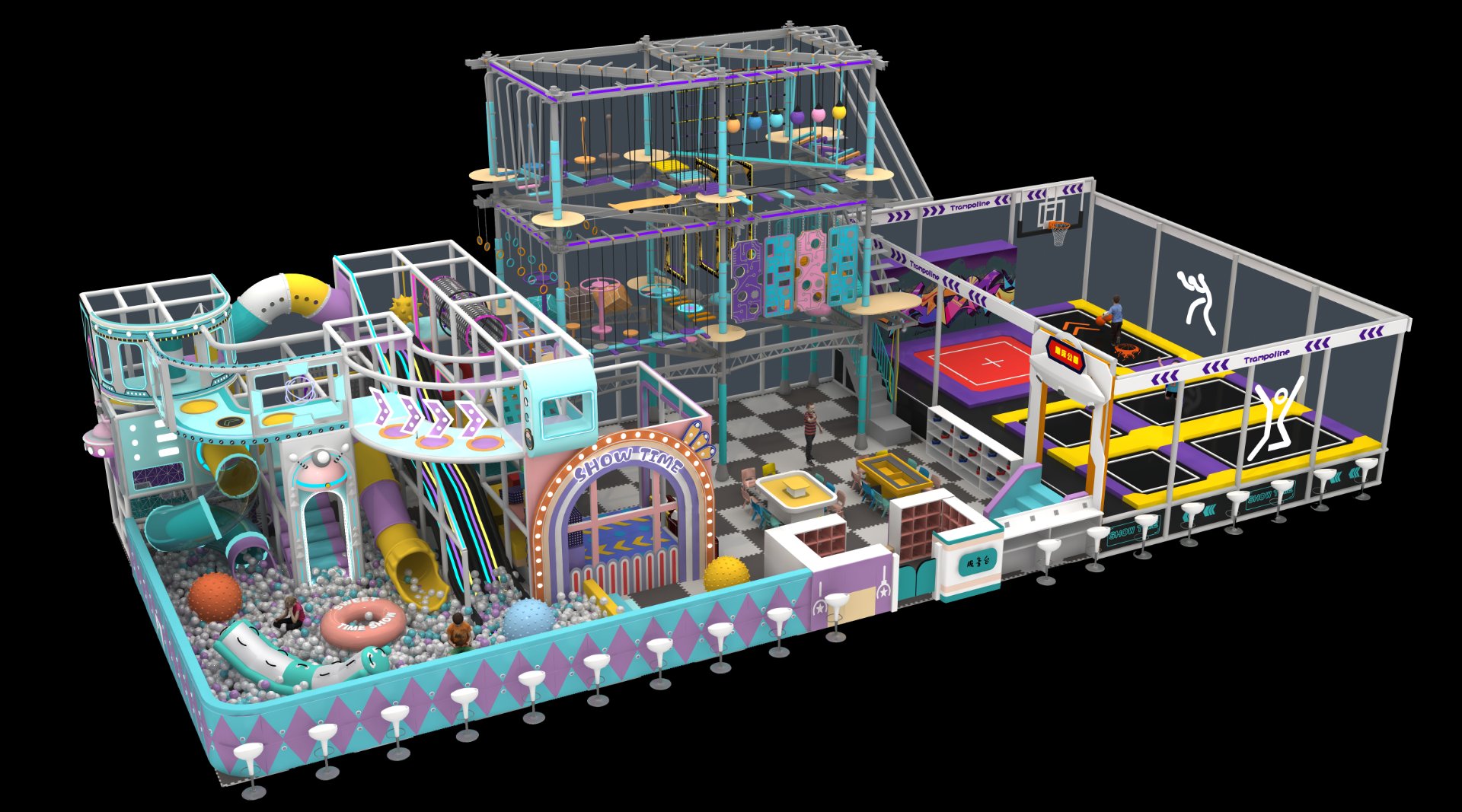
    3D perspective of inclusive soft play equipment for a special education setting
    3 states
    Alert, engage and regulate
    2 routes
    Alternative access to shared activities
    Clear view
    Staff sightline across every zone
    1 plan
    Equipment mapped to student goals

    Design Framework

    Select Equipment From Student Needs, Not Diagnoses

    Two students with the same diagnosis may need opposite sensory input. Build the brief from observable needs, support level, communication style and session goals, then test each equipment choice against staffing and transitions.

    1. Profile participation needs

    Record mobility, transfer support, sensory seeking or avoidance, communication method, elopement risk and whether one-to-one assistance is required. Use de-identified group profiles rather than medical labels in supplier documents.
    2. Match input to a goal

    Connect movement, deep pressure, tactile play or quiet retreat to a defined session goal such as readiness, motor planning, turn-taking or transition—not to an unsupported therapeutic promise.

    3. Design staff positions

    Mark where adults stand, assist transfers and intercept exits. Open frames, low dividers and two-way circulation help staff support a group without turning every activity into one-to-one supervision.

    4. Trial the transition

    Review arrival, shoes and belongings, movement between high- and low-input zones, and exit to class. A good activity can fail if the transition path is noisy, narrow or visually confusing.

    Equipment Mix

    Equipment Roles in a Staff-Led Special Education Session

    These are functional roles, not a universal prescription. The education and therapy team should approve the final mix for its students.

    Ground-level cooperative play

    Cause-and-effect panels, ball activities and role-play surfaces that allow seated and standing students to participate together.

    Low-height motor planning

    Wide steps, crawl tunnels, ramps and supported balance routes with an obvious entry, exit and bypass.

    Proprioceptive work

    Resistance tunnels, soft push blocks and crash-pad activities that can be used under staff direction.

    Controlled movement input

    Low swing, rocker or mini-trampoline stations positioned away from quiet areas and operated under the school's supervision plan.

    Calm retreat

    An acoustically softened, low-glare space with a visible opening so a student can regulate without becoming isolated from staff.

    Visual sequence supports

    Colour-coded entries, first/then boards and picture-based station markers that make the route predictable for non-readers.

    Reference Builds

    3D perspective of a low-height inclusive soft play zone
    Low-height routes can offer steps, ramps and bypasses within the same activity.
    Soft play equipment with tactile and ground-level activities
    Ground-level play keeps more students participating in the same group session.
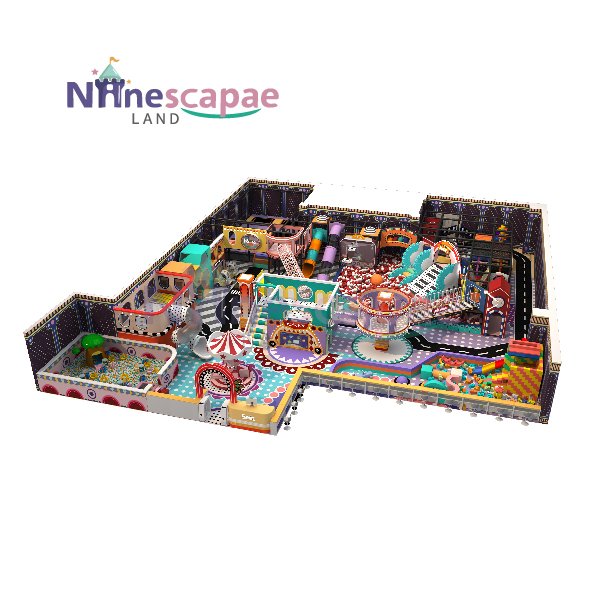
    Indoor play structure with open staff sightlines
    Open visibility and simple circulation reduce hidden areas during staff-led use.

    Match Equipment Roles to Observable Needs

    Special education play equipment selection matrix
    Observed needEquipment roleLayout requirementStaff review
    Needs predictable sequenceVisual station routeOne-way flow with bypassCommunication support
    Seeks heavy workResistance and push activityClear landing spaceUse duration
    Avoids noise or glareCalm retreatSeparated from active zoneRe-entry routine
    Uses mobility supportGround-level shared playAccessible route and turn spaceTransfer method
    Elopement riskContained activity loopControlled entry and clear viewStaff position

    Equipment supports an education plan but does not diagnose, treat or replace professional therapy.

    Best-Fit Buyers

    Who Should Approve the Equipment Brief

    The safest specification combines the people who understand students, daily operation, facilities and compliance.

    Special education teachers

    Define group routines, communication supports, transition risks and activities that can be repeated during instruction.

    Occupational and physical therapy teams

    Review movement demands, transfer points and any student-specific use restrictions within their professional scope.

    District facilities and safety teams

    Confirm circulation, egress, surfacing, anchoring, cleaning and inspection responsibilities.

    Administrators and procurement

    Require a clear specification, test-document list, warranty boundaries and replacement-parts plan before award.

    FAQ

    Procurement Questions

    What makes indoor play equipment suitable for special education?

    It offers more than one way to participate, supports predictable transitions, preserves staff sightlines, provides an exit or bypass, and maps each activity to a documented educational or participation goal.

    Is sensory equipment the same as inclusive equipment?

    No. Sensory equipment provides specific kinds of input. Inclusive equipment also addresses access, communication, shared participation, difficulty choice and the ability to leave an activity without disrupting the group.

    Can equipment be specified from a diagnosis list?

    A diagnosis alone is not enough. Use observable needs and the school's professional guidance because students with the same diagnosis can respond differently to sound, movement, touch and enclosure.

    Which documents should a school request?

    Request layout and sightline drawings, intended-age information, applicable test reports, surfacing requirements, installation instructions, cleaning guidance, inspection schedules and replacement-part information.

    Can NinescapeLand work with a school's therapy team?

    Yes. We can convert the team's functional requirements into equipment zones and a 3D perspective for review, while the school's qualified professionals retain authority over student-specific use.

    Sources & References

    Safety and compliance claims on this page reference the following primary standards and regulatory publications.

    1. Individuals with Disabilities Education Act — U.S. Department of Education
    2. 2010 ADA Standards for Accessible Design — U.S. Department of Justice
    3. Public Playground Safety Handbook (CPSC 325) — U.S. Consumer Product Safety CommissionAge separation, supervision, surfacing and equipment-layout guidance.
    4. ASTM F1487 — Playground Equipment for Public Use — ASTM International
    Get a Free Quote

    Interested in This Product?

    Fill out the form below and our team will send you a custom design proposal and competitive quote within 24 hours.

    Prefer to Chat?

    Get an instant response from our team via WhatsApp. We're online 12+ hours daily.

    Contact Info

    sale@indoorplaygroundsolution.com
    +86 189-6975-3002
    Wenzhou, Zhejiang, China

    🎯 We respond to all inquiries within 24 hours with a free 3D design concept and detailed quote — no commitment required.