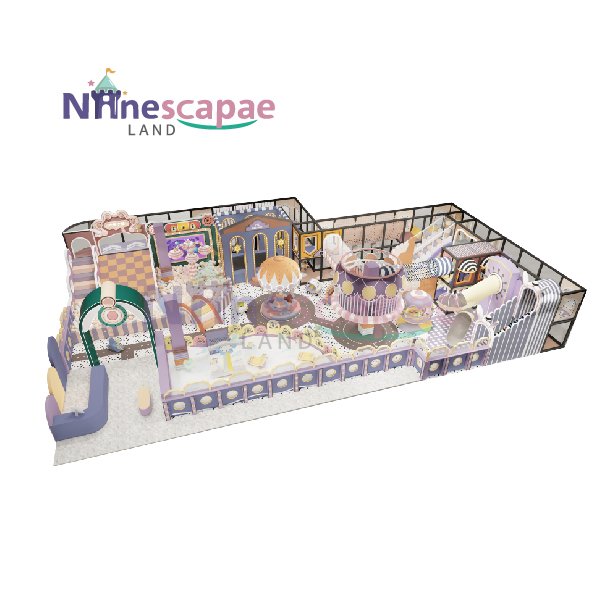
Ages 4–6: Junior lane
Floor-level balance steps, low cargo nets, short monkey bars with feet near the mat and soft foam walls. Success on every attempt matters more than difficulty.
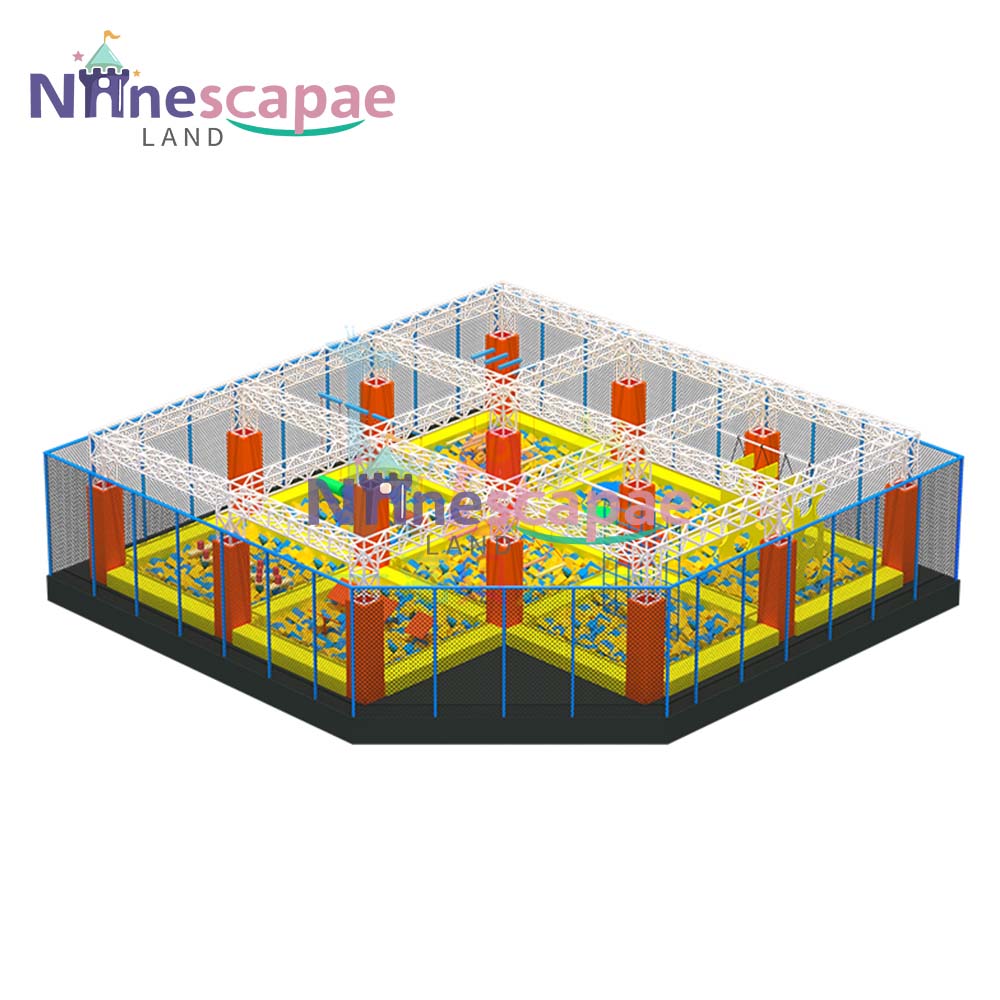
Ages 4–12 · Three Age Bands · Obstacles · Party Formats
Kids want the TV ninja experience, but a 5-year-old and an 11-year-old need very different obstacles. This page splits a kids ninja warrior course into three age bands, lists the obstacles, heights and mats for each, and shows how timed runs and birthday parties turn the course into steady revenue inside an indoor playground.
Design Framework
Separate bands keep younger children safe and older children challenged. Many venues run a junior and a senior lane side by side.
Floor-level balance steps, low cargo nets, short monkey bars with feet near the mat and soft foam walls. Success on every attempt matters more than difficulty.
Swinging rings, quintuple steps, a small warped wall and rope climbs at moderate height. Introduce a stopwatch and simple leaderboards.
Salmon ladder trainers, lache bars, cliffhanger ledges and a taller warped wall. Timed runs, heats and seasonal leagues keep them returning.
A buzzer, podium and viewing area for parents. The finish is where photos happen and where birthday bookings are sold.
Equipment Mix
Modular frames let you swap obstacles each season so regular visitors always find something new.
Angled stepping blocks that train balance and momentum; heights scaled per lane.
Grip and swing timing; ring spacing set to the arm span of each age band.
Curved run-up wall in 1.8, 2.4 and 3.0 m versions with handholds at the top.
Bar spacing and height matched to age, with full landing mats underneath.
Low spinning logs and narrow beams that are fun to fail safely.
Start pad, finish buzzer and leaderboard screen for timed runs and competitions.

Planning values for an indoor kids course. Final heights follow the applicable standard and the operator's risk assessment.
| Age band | Sample obstacles | Max hand height | Warped wall | Landing mat |
|---|---|---|---|---|
| 4–6 | Steps, low nets, short bars | ≈ 1.5 m | Not used / 1.2 m ramp | Full-coverage foam mats |
| 7–9 | Rings, ropes, small wall | ≈ 2.0 m | 1.8 m | Thick landing mats under hang zones |
| 10–12 | Salmon ladder, lache, ledges | ≈ 2.4 m | 2.4–3.0 m | Crash mats sized to drop height |
Values are planning ranges, not certified limits. Separate lanes by age and supervise with trained staff.
Best-Fit Buyers
A kids ninja lane is one of the fastest ways to raise the age ceiling of an indoor playground.
Keep 8–12 year olds who have outgrown soft play.
Add a timed attraction that runs on low staff numbers.
Package heats, medals and a podium photo into party bundles.
Create a league or membership product with seasonal leaderboards.
FAQ
Most kids courses serve ages 4–12, split into junior, intermediate and senior lanes with different heights and obstacles.
About 150–400 m² for one or two lanes, including run-up, landing zones and a viewing area.
Yes, when the lane is sized to age, landing mats cover every fall zone and staff supervise. Juniors use low obstacles with feet close to the mat.
Common sizes are 1.8 m for ages 7–9 and 2.4–3.0 m for ages 10–12. Young children usually use a low ramp instead.
Timed-run tickets, birthday party packages, weekly classes and seasonal leagues, often bundled with general admission.
Yes. Modular frames allow obstacles to be swapped or re-arranged each season.
Yes. We provide a free 3D layout with lanes by age band, landing zones and viewing areas.
Safety and compliance claims on this page reference the following primary standards and regulatory publications.
Source data as of September 2026
Fill out the form below and our team will send you a custom design proposal and competitive quote within 24 hours.
Get an instant response from our team via WhatsApp. We're online 12+ hours daily.
🎯 We respond to all inquiries within 24 hours with a free 3D design concept and detailed quote — no commitment required.