
1. Capacity before pricing
Safe simultaneous occupancy, session length and turnover set the maximum paid visits per day. A layout that cannot rotate groups caps revenue no matter how good marketing becomes.
Revenue Mix · Gross Margin · Capacity Planning
Margin in an indoor play center is decided by revenue mix and capacity use, not by ticket price alone. This page maps each revenue stream to its typical margin behaviour and shows which design decisions raise or cap the ceiling before you sign a lease.
Design Framework
Fixed costs barely move with attendance, so every additional paid visitor inside existing hours falls almost entirely to gross profit. The work is filling capacity and lifting spend per visit.
Safe simultaneous occupancy, session length and turnover set the maximum paid visits per day. A layout that cannot rotate groups caps revenue no matter how good marketing becomes.
Admission and memberships carry almost no unit cost. Parties add labour but lift spend per head sharply. Food and retail carry real cost of goods and need attach-rate discipline, not just a menu.
Weekday mornings, school holidays, toddler sessions, camps and private hire monetise hours that already carry rent and staffing. Off-peak programmes usually beat discounting weekends.
Labour scheduled to footfall, maintenance planned rather than reactive, and replaceable wear parts keep the margin you designed. Unplanned closures remove revenue while every fixed cost continues.
Equipment Mix
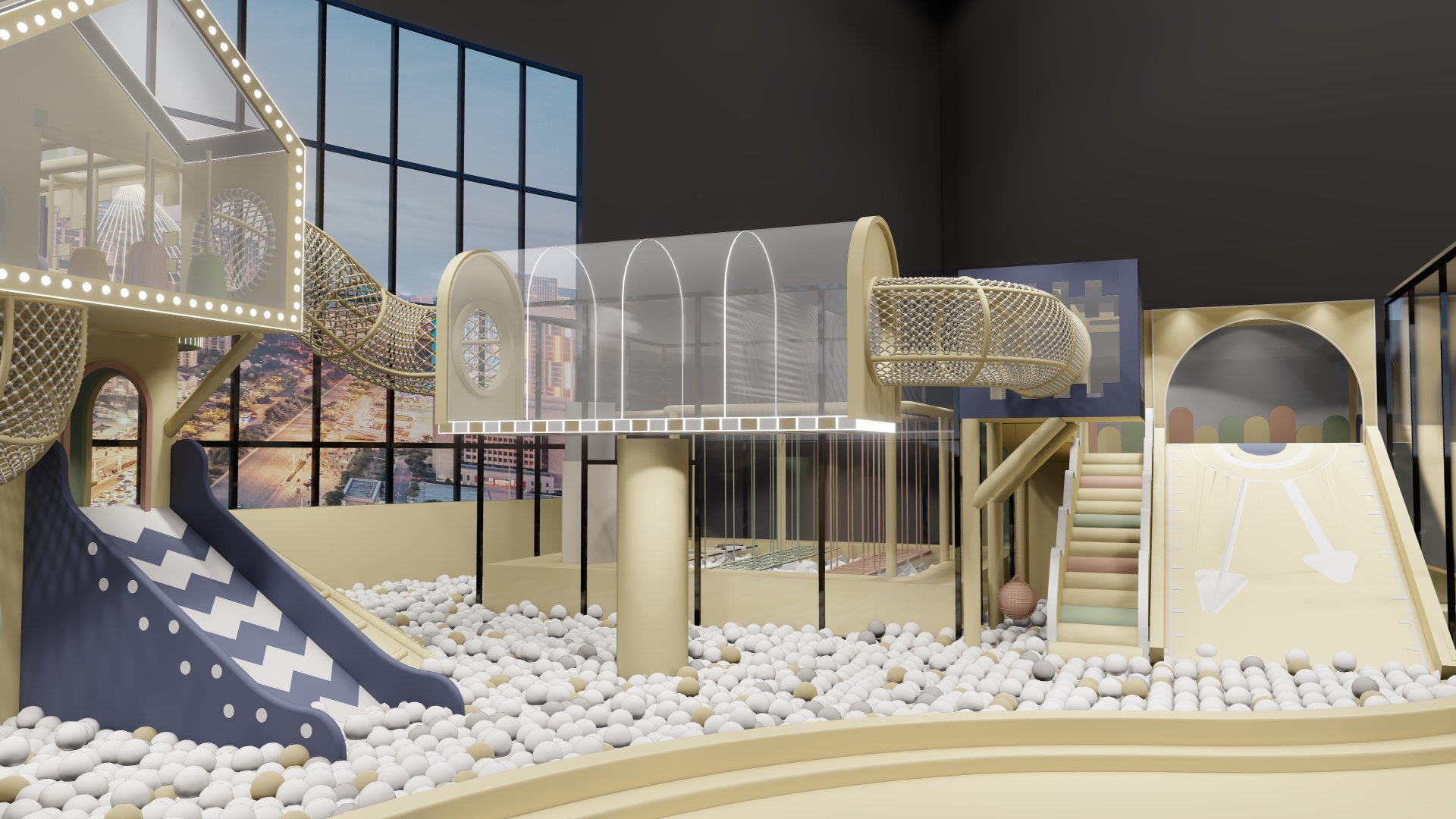
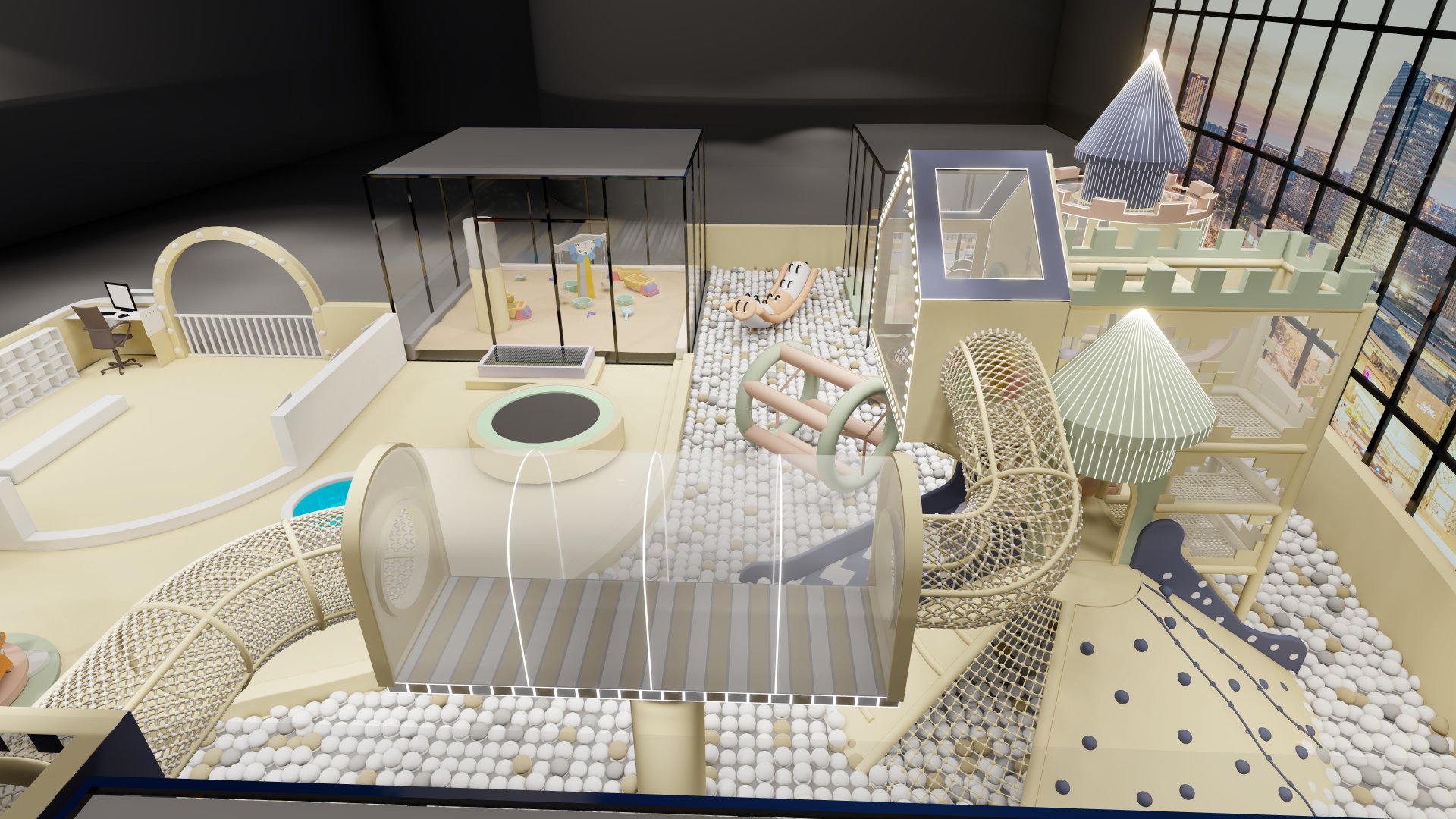
Equipment and layout decisions made at design stage either open or close the revenue streams you will rely on for years.
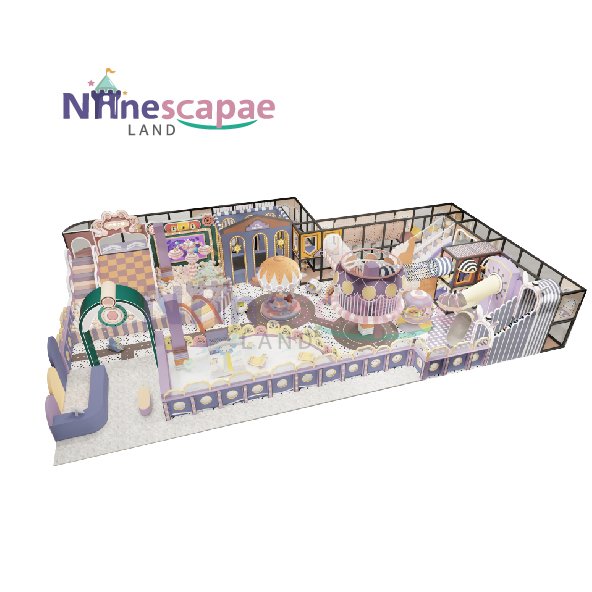
Separate toddler, junior and active zones so families with different ages all pay, and so one age group does not block another.
Dedicated, bookable rooms that see the play area sell higher-value packages and free the main floor for general admission.
Seating placed where adults can supervise raises dwell time and food attach rate without adding staff.
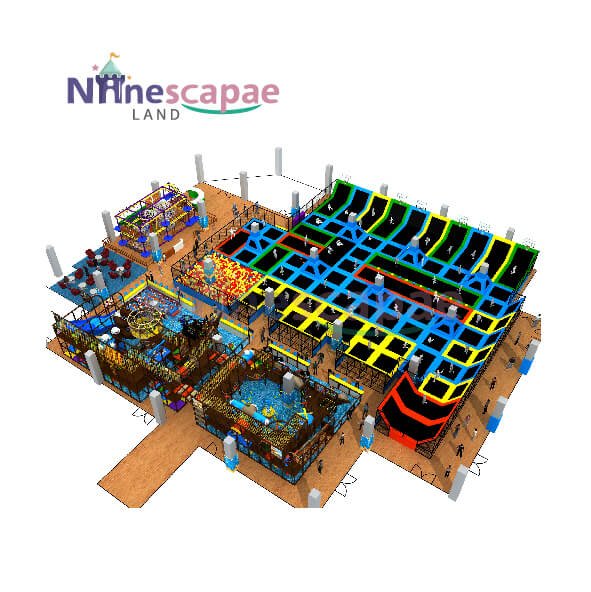
Ninja lanes, slides and interactive walls that cycle fast keep queues moving and support paid-session formats.
Modular elements that can be reconfigured let the same space host classes, camps and private hire in off-peak hours.
Padding, netting and panels specified as replaceable items keep repairs cheap and avoid closing a zone for weeks.
Use this to structure your own model; actual figures depend on local pricing, wages, rent and tax.
| Revenue stream | Cost of sale | Margin behaviour | Main constraint |
|---|---|---|---|
| General admission | Very low | Highest incremental margin | Safe capacity and peak hours |
| Memberships | Very low | Stabilises off-peak revenue | Retention and crowding risk |
| Parties and private hire | Labour and consumables | High value per booking | Room count and staffing |
| Food and beverage | Real cost of goods | Moderate, depends on attach rate | Kitchen scope and waste |
| Retail, socks and merchandise | Stock cost | Small but reliable add-on | Inventory and shrinkage |
Illustrative planning structure, not a financial projection or investment advice. Build your model on local costs and verified attendance assumptions.
Best-Fit Buyers
This structure is aimed at people who must defend an investment case rather than estimate a ticket price.
Need to know which revenue streams must exist on day one and which can be added after opening.
Compare mix performance across venues and standardise the zones that produce the highest contribution.
Look for capacity assumptions, revenue mix and cost structure stated separately, with sensitivity on attendance.
Assess whether a proposed play center can carry its rent from realistic paid capacity rather than optimistic footfall.
FAQ
General admission and memberships, because the marginal cost of one more visitor inside existing hours is close to zero. Parties raise revenue per head but add labour; food and retail carry genuine cost of goods.
Only until attendance falls. In most venues, filling off-peak hours and lifting spend per visit protects margin better than repeated price increases.
Through capacity, throughput and maintenance. Zones that rotate groups quickly and use replaceable wear parts keep revenue running and repair costs predictable.
Rent set against optimistic attendance, labour not scheduled to footfall, unplanned closures for repairs, and a layout that cannot host off-peak programmes.
Include seating and adjacency from day one even if the menu starts small. Retrofitting a kitchen or seating area later is far more expensive than reserving the space.
We can provide capacity-oriented layouts, zone-by-zone equipment schedules, throughput assumptions, wear-part lists and maintenance intervals for your financial model.
Safety and compliance claims on this page reference the following primary standards and regulatory publications.
Source data as of September 2026 · 数据截至 September 2026
Fill out the form below and our team will send you a custom design proposal and competitive quote within 24 hours.
Get an instant response from our team via WhatsApp. We're online 12+ hours daily.
🎯 We respond to all inquiries within 24 hours with a free 3D design concept and detailed quote — no commitment required.