NinescapeLand

    Purchase Price vs 10-Year Cost · Wear Parts · Refresh Cycles

    Indoor Playground Total Cost of Ownership Over 10 Years

    Purchase price is roughly half of what an indoor playground costs over a decade. This guide breaks down the 10-year cost of ownership — wear parts, surfacing, inspections, refresh cycles and downtime — so two quotes can be compared honestly.

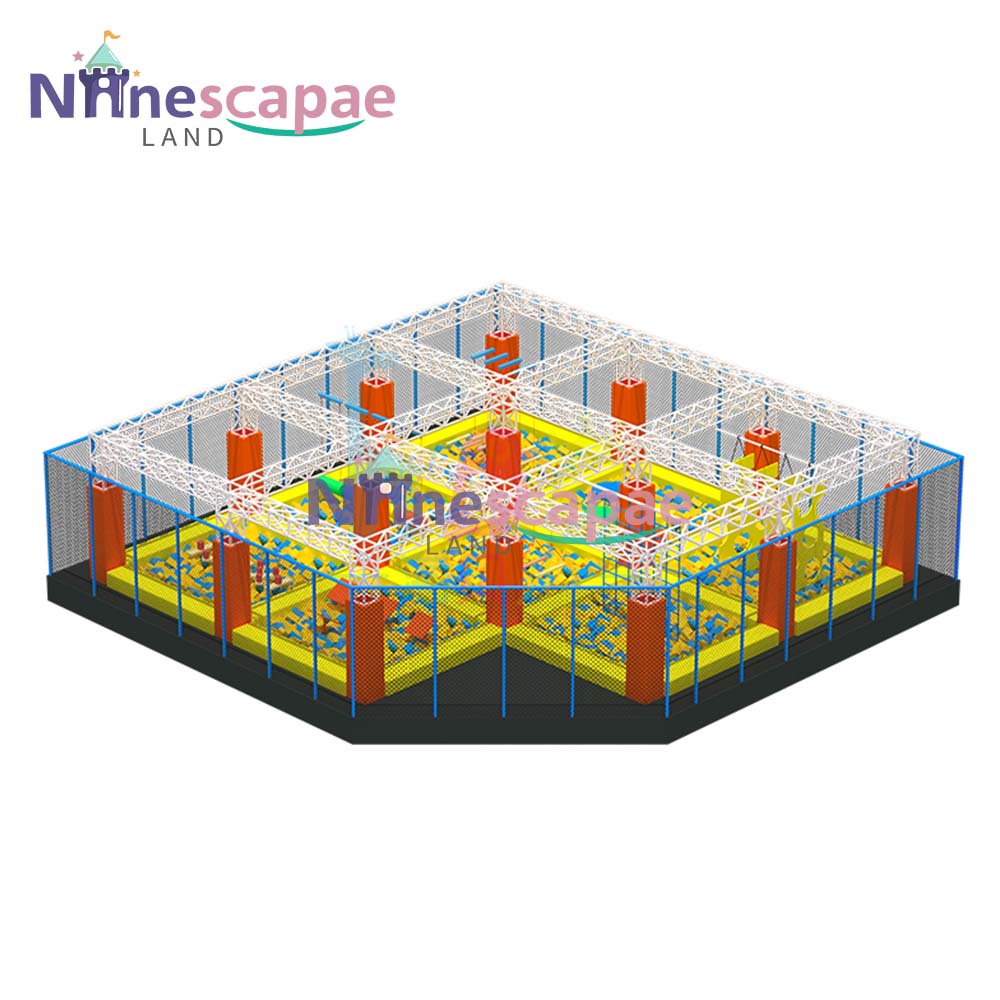
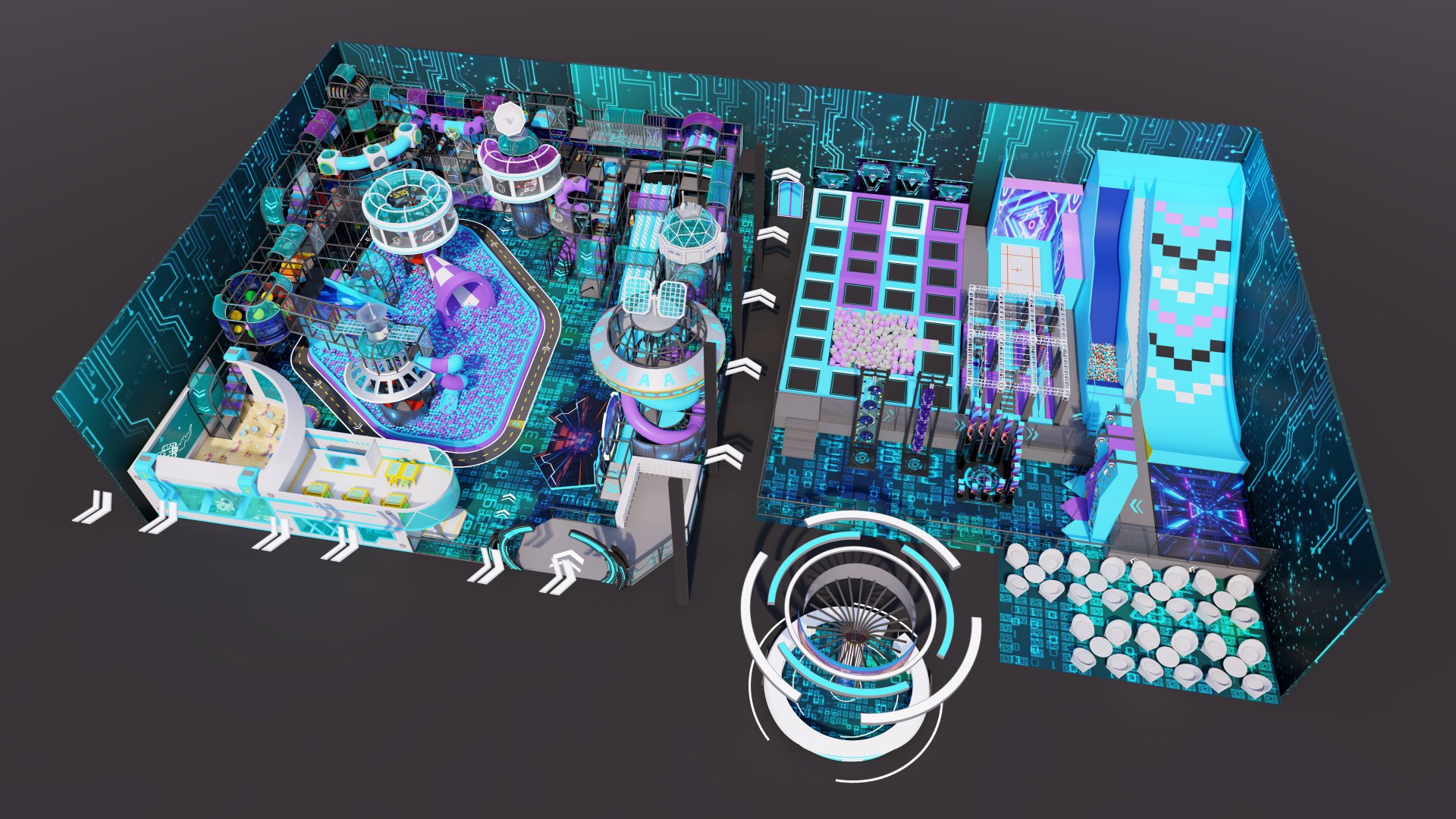
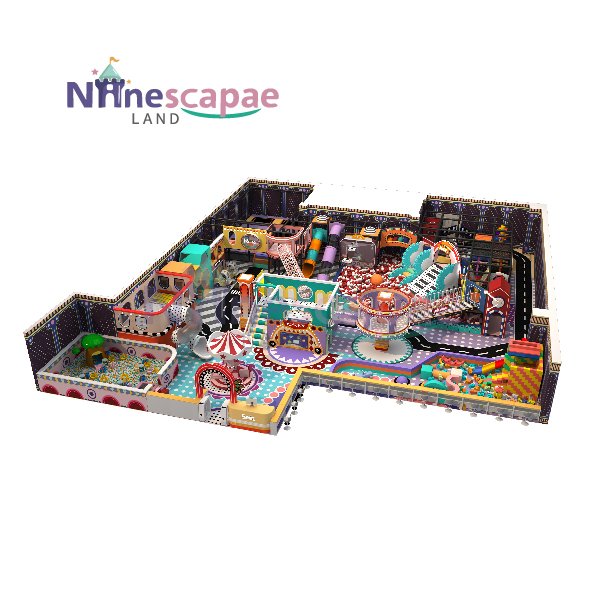
    Indoor playground layout drawing used to plan lifecycle cost and refresh phases
    40–60%
    Share of 10-year cost that is not purchase price
    8–12 yr
    Structural life of a well-specified frame
    2–4 yr
    Refresh cycle for soft covers and netting
    12 mo
    Interval for a documented inspection cycle

    Design Framework

    Six Cost Lines a Purchase Price Hides

    Two quotes can differ by 20% on price and by far more over ten years. These are the lines that decide which one is actually cheaper.

    Wear parts and their replacement interval

    Netting, soft covers, slide surfaces, foam and padding wear on a 2–4 year cycle in a commercial venue. Ask for the wear-part list with unit prices and expected intervals before comparing quotes — a cheap frame with proprietary consumables is rarely cheaper.
    Surfacing renewal, not just installation

    Impact-attenuating flooring is a recurring cost. Confirm the tested critical fall height, the renewal interval under your traffic, and whether sections can be replaced individually or the whole area must be relaid.

    Inspection, documentation and compliance

    Budget an annual documented inspection plus routine operational checks. Equipment supplied without test reports, drawings and a maintenance schedule costs more later in insurance friction and re-certification work.

    Refresh to keep visits repeating

    Revenue decays when a venue looks unchanged. Plan a partial refresh — new panels, a reconfigured zone, added interactive elements — around year three to four, and choose modular equipment so refresh does not mean replacement.

    Downtime and spare-part lead time

    A closed zone costs revenue every day it is closed. Ask for the spare-part stock policy, lead time to your country, and whether common parts are standard or proprietary. Long lead times are a hidden operating cost.

    End-of-life and reconfiguration value

    Modular, bolt-together structures can be relocated, resized or partly resold; welded one-off structures usually cannot. Residual and reconfiguration value is a real line in a ten-year comparison.

    Equipment Mix

    Where Lifecycle Cost Concentrates by Equipment Type

    Different equipment types fail in different places. Knowing where the recurring spend sits changes what is worth paying more for at purchase.

    Soft contained play structure

    Frame lasts; covers, netting and slide surfaces do not. Pay for welded-seam, replaceable covers and standard tube sizes so refresh is a panel order rather than a rebuild.

    Trampoline park bays

    Beds, springs and pads are the recurring line, driven directly by jump hours. Bed and pad replacement schedules — not frame price — decide the ten-year figure.

    Ninja and obstacle courses

    Grips, ropes, hanging elements and landing surfacing wear fastest. Standard, individually replaceable attachment points keep the cost linear instead of stepped.

    Impact-attenuating flooring

    Replaceable tiles or sectional systems limit renewal to worn areas; poured or bonded systems usually renew as a whole area at much higher cost.

    Interactive and powered elements

    Add licence, lamp, controller and support costs. Worth it where content change drives repeat visits, but the subscription term belongs in the ten-year model.

    Modular reconfigurable elements

    Highest flexibility value: a reconfiguration in year four can substitute for a large part of a refresh budget and extends the earning life of the same components.

    Reference Builds

    Soft play structure showing replaceable covers and netting panels
    Replaceable covers and standard tube sizes make refresh a panel order.
    Trampoline bays where beds, springs and pads drive lifecycle cost
    In trampoline bays, beds, springs and pads are the recurring cost line.
    Obstacle course with individually replaceable grips and hanging elements
    Individually replaceable attachment points keep wear cost linear.

    10-Year Cost Line Comparison

    Where recurring spend lands, how often, and what reduces it at specification stage.

    Comparison of cost line, typical interval, share of ten-year cost and the specification choice that reduces it
    Cost lineIntervalShare of 10-yr costWhat reduces it
    Purchase & installationYear 040–60%Modular standard components
    Wear parts (covers, netting, pads)2–4 yr10–20%Welded-seam replaceable covers
    Surfacing renewal5–8 yr5–15%Sectional replaceable tiles
    Inspection & documentationAnnual3–8%Full test-report handover
    Refresh / reconfiguration3–5 yr10–20%Bolt-together modular layout
    Downtime & spare partsOngoing2–8%Local spares, standard parts

    Shares are planning ranges for commercial venues and vary with traffic hours, climate, staffing and how the venue is programmed; they are not a quotation.

    Best-Fit Buyers

    Who Needs a Ten-Year View

    Anyone comparing quotes, financing equipment or defending a capital request will decide better on lifecycle cost than on purchase price.

    Play centre and FEC operators

    Owners comparing supplier quotes who need wear-part pricing and refresh timing before signing, not after the first busy summer.

    Schools and childcare groups

    Institutions with fixed maintenance budgets that must avoid an unplanned replacement in year five and need documentation for compliance files.

    Investors and franchise developers

    Stakeholders modelling multi-site returns where maintenance, refresh and downtime materially change payback.

    Property, mall and hotel operators

    Owners whose play area supports footfall and who need a predictable annual cost rather than a one-off capital number.

    FAQ

    Procurement Questions

    What is the total cost of ownership of an indoor playground?

    Over ten years, purchase and installation is typically 40–60% of the total. The rest is wear parts on a 2–4 year cycle, surfacing renewal, annual inspection, a refresh around year three to four, and downtime and spare-part cost.

    How long does commercial indoor playground equipment last?

    A well-specified steel frame commonly lasts 8–12 years or more in a commercial venue, while soft covers, netting, slide surfaces and padding are consumables replaced every two to four years depending on traffic hours.

    How do I compare two quotes fairly?

    Ask both suppliers for the wear-part list with unit prices and intervals, the surfacing renewal method, spare-part lead time to your country, and whether components are standard or proprietary. Then model ten years, not the invoice.

    When should a venue plan a refresh?

    Plan a partial refresh around year three to four — reconfigured zones, new panels, added elements — because visit frequency decays when a venue looks unchanged. Modular equipment lets refresh happen without replacing the structure.

    Does modular equipment really cost less over time?

    Usually yes, for two reasons: individual components can be replaced instead of whole assemblies, and the layout can be reconfigured in later years to substitute for part of a refresh budget while keeping residual value.

    Can NinescapeLand provide a ten-year cost model for our project?

    Yes. With your floor plan, expected opening hours and target age mix we return an equipment quotation alongside a wear-part schedule, inspection plan and refresh timeline so your board sees the ten-year figure, not just the purchase price.

    Sources & References

    Safety and compliance claims on this page reference the following primary standards and regulatory publications.

    1. ASTM F1487-21 — Playground Equipment for Public Use — ASTM InternationalReferenced for inspection and maintenance expectations across equipment life.
    2. ASTM F2970-15 — Trampoline Courts — ASTM InternationalApplies to trampoline bed, spring and pad inspection intervals.
    3. EN 1176-7 — Guidance on Installation, Inspection, Maintenance and Operation — European Committee for Standardization
    Get a Free Quote

    Interested in This Product?

    Fill out the form below and our team will send you a custom design proposal and competitive quote within 24 hours.

    Prefer to Chat?

    Get an instant response from our team via WhatsApp. We're online 12+ hours daily.

    Contact Info

    sale@indoorplaygroundsolution.com
    +86 189-6975-3002
    Wenzhou, Zhejiang, China

    🎯 We respond to all inquiries within 24 hours with a free 3D design concept and detailed quote — no commitment required.