
1. Split the structure
List posts and frames, platforms and decks, guardrails and barriers, access methods, slides, climbing elements, netting and surfacing. Each carries its own dimensional and protective requirements.
Structure Compliance · Component Level · Site Acceptance
Compliance is decided component by component, not by a single certificate for the venue. This page explains which structural elements of an indoor playground carry ASTM-referenced requirements, what documentation belongs to each, and how to check them at delivery and on site.

Design Framework
Standards describe measurable conditions for parts of a structure. Break the structure into components, assign the requirement to each, then verify at delivery instead of trusting a single logo.
List posts and frames, platforms and decks, guardrails and barriers, access methods, slides, climbing elements, netting and surfacing. Each carries its own dimensional and protective requirements.
Ask the manufacturer which standard and edition governs each component and what evidence exists for it. Structural play equipment, soft contained play and surfacing are addressed by different documents.
Every elevated surface has a fall height and the surfacing under it must be supplied against that value. This is the single most common gap between what is quoted and what is installed.
At handover, check barrier heights, opening sizes, protrusions, slide exit zones, surfacing extent, fixing torque and signage, then record the results as the baseline for periodic inspection.
Equipment Mix
Hold one file per structure so inspectors, insurers and future maintenance teams all read the same basis.
Tube size, wall thickness, coating, fixing type and torque values, with the as-built layout drawing.
Deck heights, guard and barrier arrangement per height band, and the opening dimensions designed to avoid entrapment.
Stairs, ramps, ladders and climbers with handhold, spacing and clearance detail for the intended age group.
Entry, chute, exit height and required exit-zone clearance, plus material and surface-temperature considerations for indoor use.
Mesh dimensions, tension method and fixing detail for contained play and perimeter enclosures.
The tested system, thickness and critical fall height it is supplied against, plus the required extent around each element.
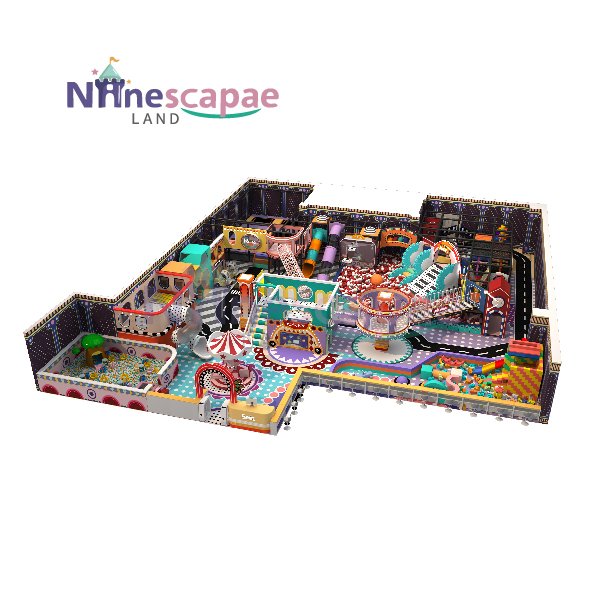
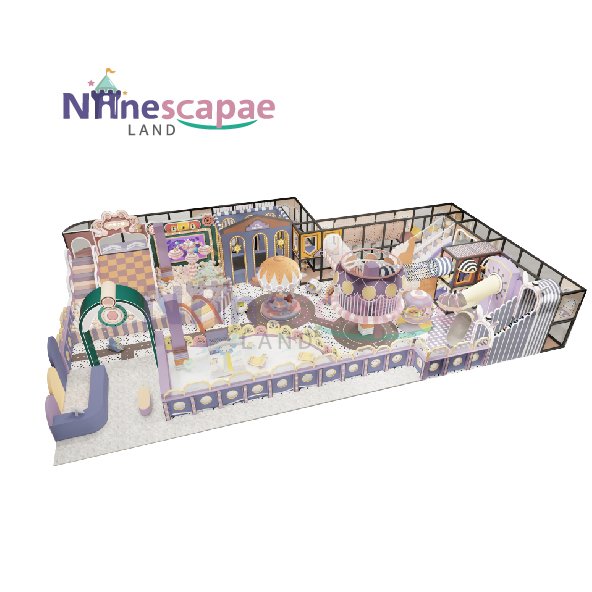

A practical map from component to verification; always confirm the current standard edition with your supplier and inspector.
| Component | Requirement focus | Document to hold | Site check at handover |
|---|---|---|---|
| Posts and frames | Structural integrity, finish | Material and coating data | Fixing torque and coating condition |
| Platforms and barriers | Height-band protection | Layout with deck heights | Barrier height and opening sizes |
| Slides | Entry, exit and clearance | Slide specification sheet | Exit-zone clearance and surfacing |
| Climbers and access | Reachability and spacing | Age-group specification | Handholds, spacing, clear space |
| Contained soft play | Enclosure and padding | Soft play test evidence | Net tension and padding coverage |
| Surfacing | Impact attenuation | Tested fall-height evidence | Thickness and extent under each element |
Educational summary only, not a compliance certificate or legal advice. Obtain current standard editions and have installations verified by a qualified inspector.
Best-Fit Buyers
Anyone who has to prove, not assert, that a structure was built and installed to a defined basis.
Need a documented baseline for daily, monthly and annual inspection routines.
Must show reviewers which standard applies to each element of the structure they purchased.
Coordinate fall zones, ceiling clearance, egress and surfacing extent with the equipment layout.
Assess whether installed conditions match the supplied documentation and layout drawings.
FAQ
Standards apply to equipment and components, and testing is performed on defined products against a specific standard edition. Ask which document covers each element rather than expecting one certificate for the venue.
Public-use playground equipment, soft contained play and impact surfacing are addressed by different ASTM documents; indoor venues often need evidence for more than one. Confirm the applicable set for your equipment mix.
It links equipment to surfacing. If surfacing is supplied against a lower fall height than the installed deck, the installation is not protected as designed even when both items look correct.
Barrier heights, opening and gap dimensions, protrusions, slide exit zones, surfacing type, thickness and extent, fixing torque, net tension and signage — recorded as a written baseline.
Operate a routine of frequent visual checks, periodic operational checks and an annual detailed inspection, following your supplier's schedule and local requirements.
As-built layout drawings, component specifications, material and coating data, applicable test reports, surfacing fall-height evidence, assembly instructions and an inspection schedule.
Safety and compliance claims on this page reference the following primary standards and regulatory publications.
Source data as of September 2026 · 数据截至 September 2026
Fill out the form below and our team will send you a custom design proposal and competitive quote within 24 hours.
Get an instant response from our team via WhatsApp. We're online 12+ hours daily.
🎯 We respond to all inquiries within 24 hours with a free 3D design concept and detailed quote — no commitment required.